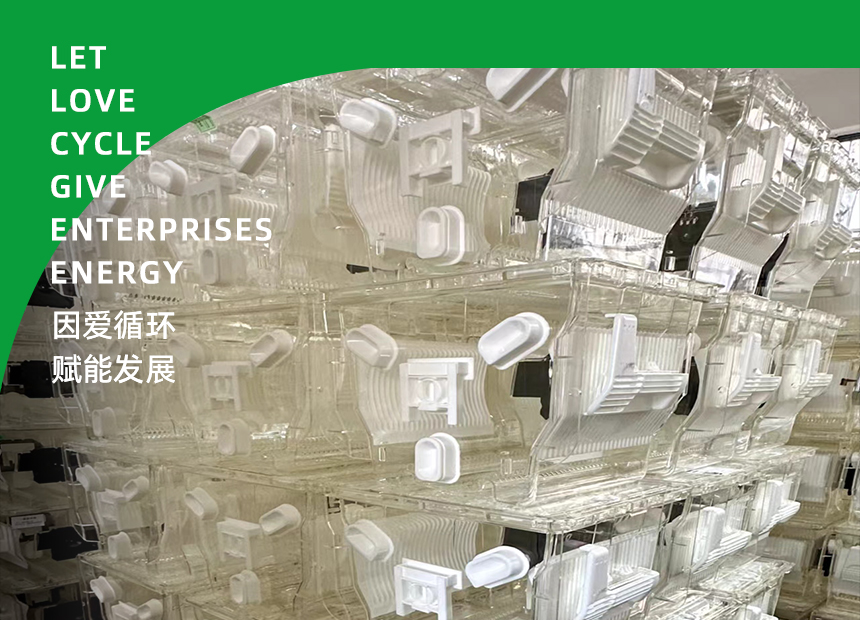
The recycling and cascading utilization of lithium batteries is an important part of battery life cycle management, aimed at achieving the dual goals of maximizing resource utilization and environmental protection.
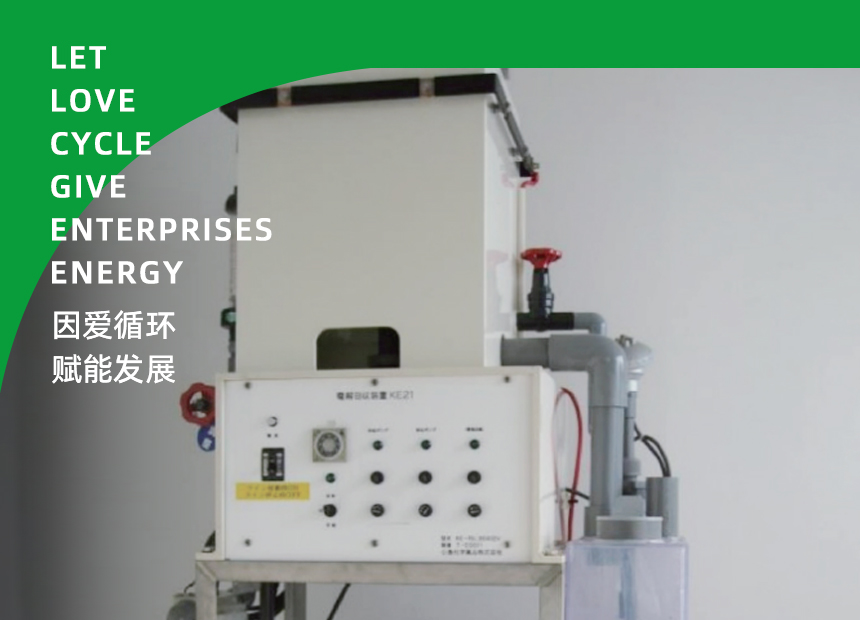
Firstly, completely discharge the battery through physical or chemical methods. Subsequently, the battery undergoes steps such as crushing and separation to effectively separate the useful components inside, such as the positive electrode, negative electrode, electrolyte, etc. Extract valuable metal elements such as lithium, cobalt, and nickel for use in manufacturing new lithium batteries or other application fields.
Cascade utilization refers to the application of retired batteries to other fields based on their remaining capacity and performance, in order to extend their service life and maximize their residual value. This not only helps to reduce the production cost of batteries, but also reduces the demand for new resources, thereby reducing the pressure on the environment.
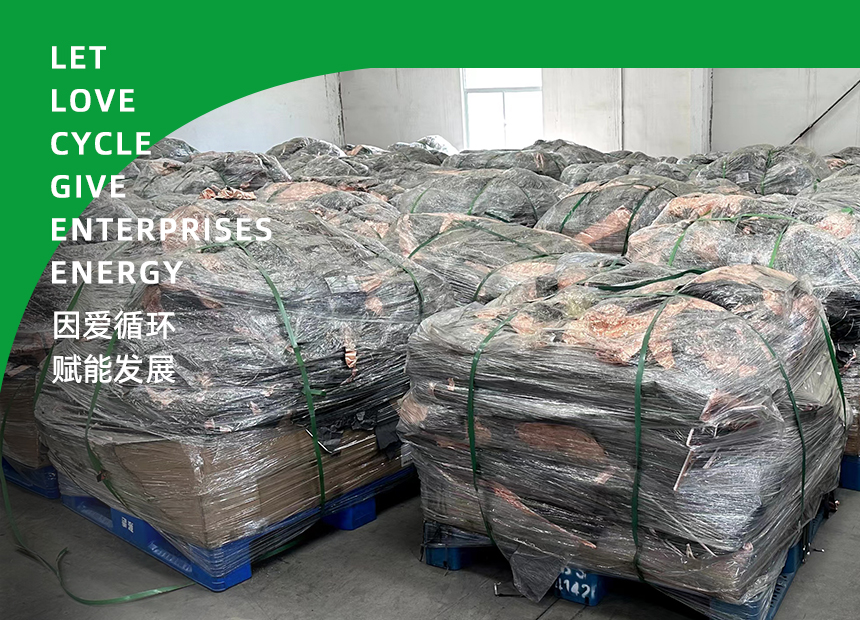
Electronic waste recycling helps with resource recycling. Electronic products contain various metals and other valuable materials, such as copper, aluminum, iron, gold, silver, as well as plastics and rare metals. By recycling and processing, these materials can be effectively extracted and reused, thereby reducing the demand for natural resource extraction. This not only helps to protect the limited resources of the Earth, but also provides new sources of raw materials for enterprises, reducing production costs.
Electronic waste recycling contributes to environmental protection. Electronic products often contain heavy metals such as lead, mercury, cadmium, and other harmful substances. If discarded or mishandled, it may cause environmental pollution. Recycling can ensure the safe and effective disposal of these harmful substances, prevent their pollution to soil, water sources, and air, and protect the ecological environment and human health.
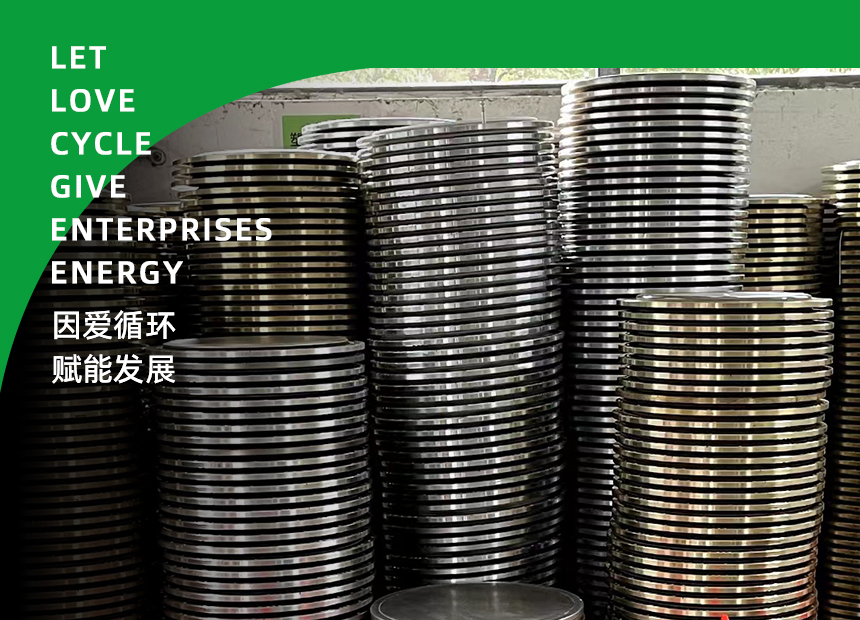
The regeneration of semiconductor parts helps to effectively recycle resources. The materials used in semiconductor manufacturing processes often have high value, and through recycling technology, these materials can be reused, avoiding resource waste and excessive exploitation. This not only helps to protect the limited natural resources on Earth, but also reduces the demand for new materials, further reducing energy consumption.
Through regeneration technology, the emissions of waste and harmful substances generated during the manufacturing process of new parts can be reduced, thereby reducing the negative impact on the environment.
The regeneration of semiconductor parts also helps to reduce production costs. Due to the use of recycled materials, enterprises can reduce their procurement of new materials during the manufacturing process, thereby lowering production costs. This not only improves the economic benefits of the enterprise, but also enhances its competitiveness.